Introduction: Criteria for Effective Iliopsoas Release Tools
Choosing effective iliopsoas muscle release tools starts with anatomy and safety. The psoas sits deep along the lumbar spine, while the iliacus lines the inside of the pelvis. Generic balls or guns often miss these targets or irritate sensitive tissues. A purpose-built psoas muscle massager or hip flexor release device should meet clear criteria before it ever contacts your abdomen.
Key criteria to evaluate:
- Targeted access: Look for tip geometry that differentiates the broad, vertical depth needed for psoas from the curved, lateral angle required for the iliacus along the iliac fossa. An iliacus muscle release tool should contour to the pelvis rather than press straight down.
- Controlled pressure and shear: Static pressure alone can be uncomfortable and ineffective. Smooth rotation enables graded depth plus gentle shear to address adhesions without bruising. Nexus Health Tools’ Core Nexus, for example, uses dual purpose-built rotating tips—broad for deep psoas work and a narrow curved tip for iliacus access—to improve precision and comfort.
- Stability and safety: A non-slip base and bodyweight-friendly leverage help maintain angles without excessive abdominal compression. Avoid aggressive percussion near the femoral nerve, vessels, or gut. Clear guidance on landmarks (e.g., medial to ASIS for iliacus) is essential.
- Ergonomics and portability: Compact, all-in-one designs make consistent self-care realistic at home or while traveling. A versatile psoas and iliacus tool should work supine or sidelying and adapt to different body types.
- Materials and hygiene: Durable, skin-safe materials that sanitize easily matter for regular use. Quality hip pain relief equipment should withstand rotational forces without wobble.
- Outcomes and guidance: Seek tools supported by practical protocols to reassess changes in hip extension, anterior pelvic tilt, or SI joint discomfort after sessions. If you have a hernia, are pregnant, or recently had abdominal surgery, consult a clinician first.
Applied well, the right tool refines pressure, protects sensitive structures, and delivers repeatable results—making self-care safer and more effective.
Best Overall: The All-in-One Dual Rotating Tip Device
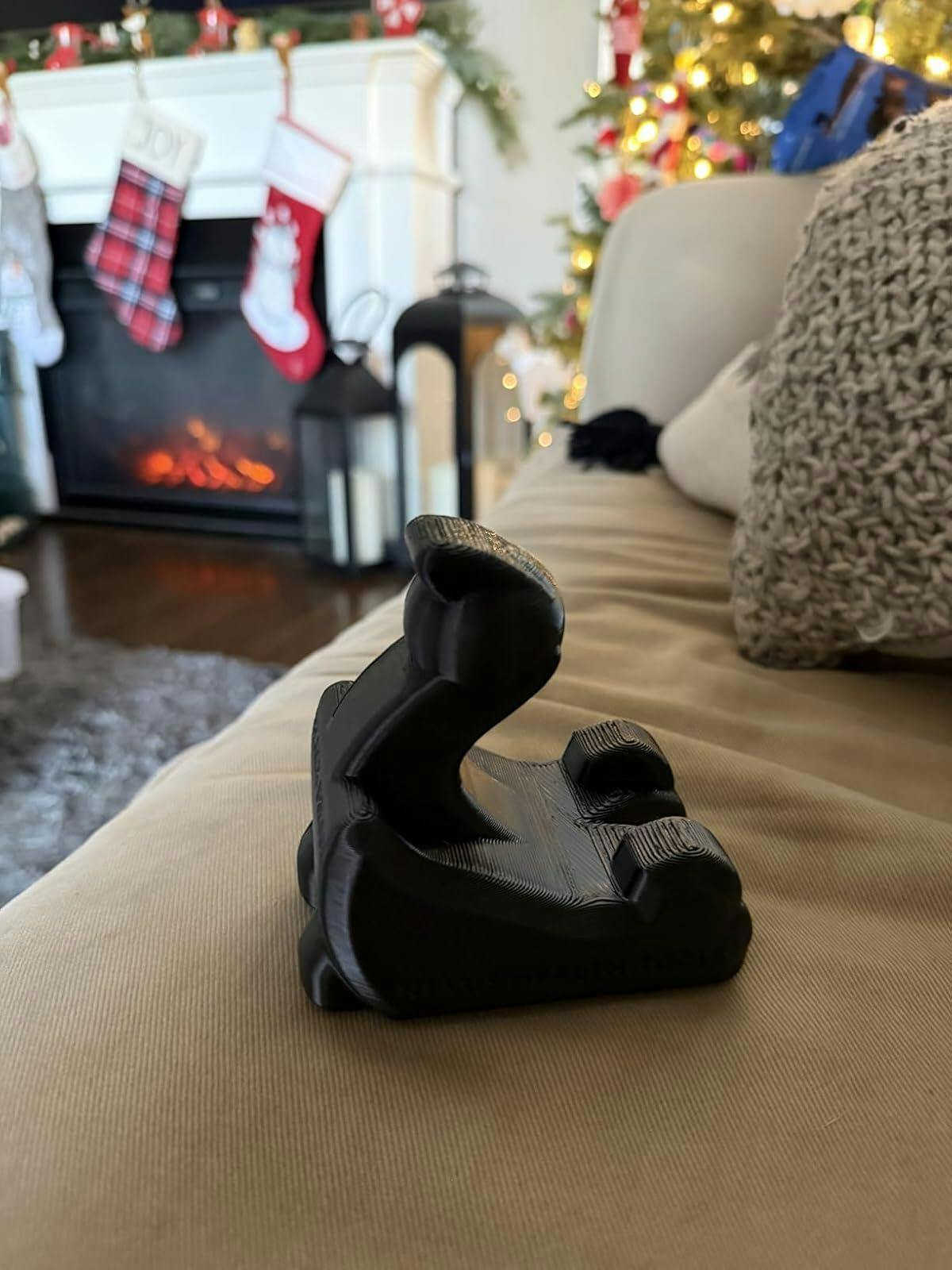
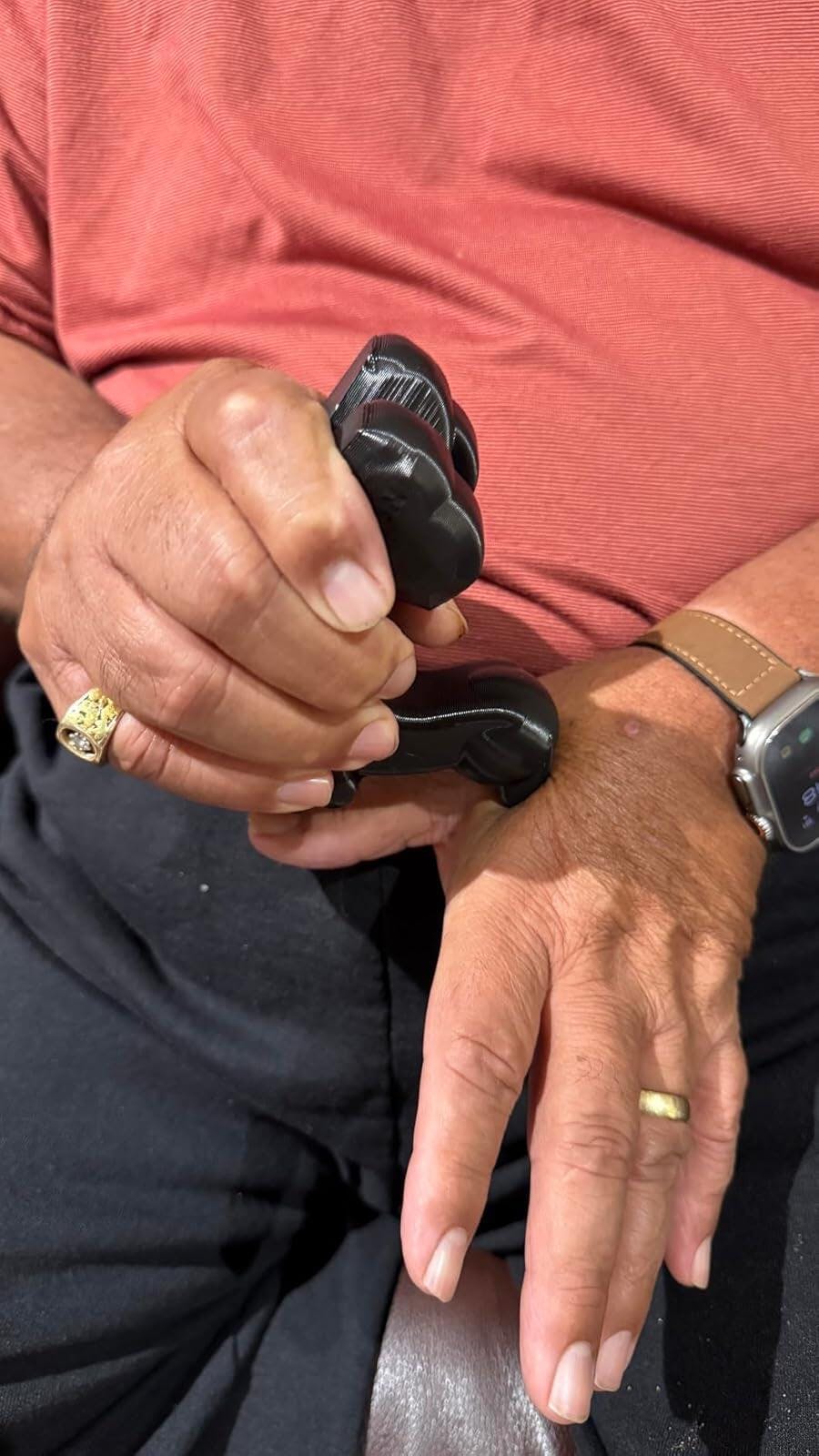
When you need one tool that can reliably reach both the psoas and iliacus, dual rotating tips make all the difference. Among iliopsoas muscle release tools, the Core Nexus from Nexus Health Tools stands out because it pairs a broad, purpose-built psoas tip with a narrow, curved tip that is shaped for the iliacus. Smooth rotation lets you “pin and glide” rather than grind, helping you sink through superficial layers with less guarding.
What sets this psoas and iliacus tool apart:
- Specific access: The broad tip is stable enough for deep psoas work; the curved tip hugs the inner iliac fossa to reach the iliacus without poking.
- Controlled depth: Rotation provides gradual penetration, ideal for sensitive hip flexors and SI joint discomfort.
- Compact build: A true all-in-one, it travels easily compared with bulkier hip pain relief equipment.
- Versatile positions: Works supine, sidelying, or seated, so you can adapt to mobility and comfort.
- Postural support: Regular, gentle use can ease hip flexor tone associated with anterior pelvic tilt and long sitting.
Practical example:
- For psoas: Lie supine with knees bent. Place the broad tip about two finger-widths lateral to the navel, slightly inferior. Exhale, let the abdomen soften, then add small rotations as you take 3–5 slow breaths. Reposition 1–2 cm to track tender bands; avoid pulsing over the aorta (midline) or sharp pain.
- For iliacus: In hook-lying or sidelying, nestle the narrow curved tip just inside the iliac crest. Use gentle rotation and diaphragmatic breathing for 60–90 seconds per spot along the inner crest.
Compared with a static psoas muscle massager, lacrosse ball, or generic hip flexor release device, the Core Nexus’s rotating interface reduces drag and allows graded pressure, which many chronic pain sufferers find easier to tolerate. For a single, professional-grade iliacus muscle release tool that covers both sides of the iliopsoas, consider the Core Nexus from Nexus Health Tools.
Best for Deep Tissue: Large Profile Psoas Massagers
Large-profile psoas tools spread pressure over a broader surface so you can sink into deeper layers without the sharp, “pinpoint” discomfort of smaller implements. For dense, protective tissue around the hip flexors or anterior pelvic tilt patterns, these iliopsoas muscle release tools allow a slow, tolerable melt that reaches the psoas major while minimizing irritation to the abdominal wall.
What to look for in a deep-tissue psoas muscle massager:
- Broad, contoured head (about 2–3 inches across) to distribute load and reduce guarding
- Stable base that won’t tip when you relax your weight onto it
- Slight curvature to match abdominal contours and sit just inside the front hip bone (ASIS)
- Smooth rotation or glide to follow muscle fiber direction as you breathe and unwind
- Compact, portable build if you plan to travel with your hip pain relief equipment
How to use a large-profile hip flexor release device:
- Lie face down and position the head of the tool just inside the ASIS, midway between the navel and hip crease.
- Tilt the tool slightly toward the spine; relax your abdomen and breathe diaphragmatically.
- Hold gentle pressure for 60–120 seconds; slowly slide your thigh into hip extension or knee flexion to bias the psoas.
- Move 1–2 finger-widths to explore along the muscle; avoid bony landmarks and stop if you feel sharp or organ-like discomfort.
Note: Start light, avoid use immediately after meals, and consult a clinician if you have hernia, pregnancy, or recent abdominal surgery.
A practical example is Nexus Health Tools’ Core Nexus. Its broad, purpose-built tip delivers deep psoas release, while the narrow curved tip functions as an iliacus muscle release tool—useful when a large head can’t access the inner iliac fossa. The smooth rotating design enables gradual, deeper muscle penetration, and the compact, all-in-one psoas and iliacus tool suits home, clinic, or travel. For chronic hip or lower back pain and anterior pelvic tilt, it’s a versatile, professional-grade option among modern iliopsoas muscle release tools.

Best for Precision: Targeted Iliacus Release Solutions
When precision is the priority, the iliacus demands tools that are slim, curved, and controllable. Many iliopsoas muscle release tools are too broad to reach the iliac fossa without pressing on sensitive structures. Look for designs that balance access with safety and pressure modulation.
Key features that improve iliacus targeting:
- Narrow, curved tip that can contour along the inner rim of the pelvis (near the ASIS) without compressing the femoral nerve or artery
- Smoothly rotating head to change angles without dragging tissue
- Compact body for one-handed control and gradual loading
- Firm but slightly compliant material to channel force without bruising
- Clear handholds to prevent slippage when working at shallow angles
A practical example is the Core Nexus from Nexus Health Tools. Its dual rotating tips include a narrow curved head specifically sized for iliacus access and a broader tip that doubles as a psoas muscle massager. The rotation lets you “steer” under the iliac crest and fine-tune pressure, which is critical for users with anterior pelvic tilt or hip flexor overactivity.
How to perform a targeted iliacus release with a dedicated iliacus muscle release tool: 1) Lie supine with knees bent. Find the front hip bone (ASIS), then move slightly inside and inferior. 2) Angle the narrow tip toward the inside of the pelvis, not straight down. 3) Apply light pressure; rotate the tip to follow the iliac fossa. Stop if you feel numbness or pulsing. 4) Hold 30–60 seconds while breathing slowly; ease off and retest hip extension or a gentle lunge. 5) Follow with glute activation (bridges or clamshells) to help maintain alignment.
Compared with a generic ball or percussion gun, a dedicated psoas and iliacus tool behaves more like a hip flexor release device—precise, angle-adjustable, and less likely to irritate superficial tissues. For those managing recurrent hip or SI discomfort, purpose-built hip pain relief equipment like the Core Nexus offers controlled access to deep structures that broad tools simply miss.
Best for Portability: Compact Hip Flexor Tools
If you travel or commute frequently, compact iliopsoas muscle release tools let you maintain consistency without lugging a bulky frame. The key is portability that doesn’t sacrifice precision. A good psoas muscle massager should fit in a backpack, set up quickly on a mat or bed, and deliver controlled pressure into the deep psoas while also reaching the iliacus along the inner pelvis.
What to look for in a portable hip flexor release device:
- Dual tips or heads: a broader tip for deep psoas work and a narrower, curved tip for iliacus access.
- Smooth gliding or rotation: reduces skin drag and helps you sink through superficial layers to the target tissue.
- Stable, low-profile form: stays put as you breathe and relax into the tool.
- Fine pressure control: leverage, grip, or bodyweight modulation to avoid bracing.
- Durable, easy-to-clean materials: no batteries, cords, or fragile parts.
- Truly all-in-one design: one tool that handles psoas and iliacus so you carry less hip pain relief equipment.
A strong example is the Core Nexus from Nexus Health Tools. It’s an all-in-one psoas and iliacus tool with dual purpose-built rotating tips—broad for deep psoas release, narrow and curved for iliacus access. The smooth rotation encourages deeper muscle penetration without abrasive friction, and the compact form makes it easy to pack for the clinic, gym, or travel. For users managing anterior pelvic tilt or recurring hip/SI discomfort, having a single, portable iliacus muscle release tool that also addresses the psoas can streamline daily maintenance.
Other compact options include a lacrosse ball or small “peanut” under the lower abdomen for gentle psoas desensitization, or a slim wedge to elevate the pelvis and angle pressure. These can help in a pinch, but they lack the precision and tip geometry of purpose-built psoas and iliacus tools. Whichever route you choose, apply slow, progressive pressure, breathe diaphragmatically, and avoid aggressive percussion over the abdomen—targeted, controlled input is safer and more effective for deep hip flexor release on the go.
Comparing Tip Designs: Broad vs. Narrow Attachments
Among iliopsoas muscle release tools, tip geometry determines how precisely—and comfortably—you can reach the deep hip flexors. Broad attachments spread pressure over a larger surface, ideal for the thick, central belly of the psoas. Narrow, curved attachments concentrate force to trace the iliacus along the inner ilium where space is tight.
Broad tip advantages:
- Best for generalized psoas tension, anterior pelvic tilt, or “gripping” after long sitting.
- More forgiving on sensitive abdomens and larger body types.
- Effective starting point: lie prone, place the tip just medial to the ASIS, angle slightly toward the spine, bend the knee on the same side, and breathe into the belly. Use slow, small rotations (20–40 seconds) to let the tissue yield.
Narrow, curved tip advantages:

- Targets the iliacus in the iliac fossa, often missed by round balls or flat tools.
- Helpful for focal hip crease tightness, SI joint sensitivity, or pain triggered by hip flexion.
- Technique: position just inside the ASIS, stay lateral to the femoral pulse, keep pressure modest, and make micro-rotations while gently internally/externally rotating the hip.
Rotation matters. Static pressure can cause guarding; a smooth-rotating head maintains contact as tissue slides, allowing graded depth without abrupt spikes in force. Nexus Health Tools’ Core Nexus combines a broad psoas head with a narrow curved iliacus head in one compact, rotating psoas and iliacus tool, functioning as both a psoas muscle massager and a hip flexor release device. Its dual purpose-built tips make it versatile hip pain relief equipment you can take anywhere.
Quick guide:
- New to release or high sensitivity: start broad, then “finish” with the narrow tip.
- Deep, diffuse stiffness after running or lifting: broad first for depth.
- Focal crease pain or snapping hip near the front: narrow tip to trace the iliac fossa.
- Recurrent SI joint irritation: explore the iliacus with the narrow head; reassess psoas tone with the broad head afterward.
This paired approach improves access to the psoas and iliacus while maintaining comfort and control.
Comparison Summary of Top-Rated Recovery Devices
Finding the right iliopsoas muscle release tools comes down to precision, control, and comfort. Below is a concise look at how popular categories stack up for people managing chronic hip and lower back pain.
- Targeted manual devices
- Pso-Rite: A widely used psoas muscle massager with broad prongs that delivers firm, static pressure. Effective for surface-level psoas work but can be difficult to angle into the iliacus and may feel bulky for smaller frames. - Hip Hook (Aletha): A levered hip flexor release device designed to angle under the pelvic rim toward the iliacus. Offers precise access but has a learning curve and requires careful setup to avoid discomfort. - Core Nexus (Nexus Health Tools): An all-in-one psoas and iliacus tool featuring dual rotating tips—a broad tip for deep psoas release and a narrow curved tip to reach the iliacus. The smooth rotation helps sink gradually into tight tissue, and the compact design travels easily. Users aiming to address anterior pelvic tilt may appreciate the ability to switch tips without swapping devices.
- Percussion massage guns
- Examples: Theragun or Hypervolt with cone or wedge heads. Useful for warming tissue around the hip flexors, but vibration can feel too aggressive over the abdomen and may struggle to reach the iliacus safely. Best as a complement rather than a dedicated iliacus muscle release tool.
- Balls and rollers
- Lacrosse balls, peanuts, and firm foam rollers are accessible, low-cost hip pain relief equipment. They help with general tightness but often lack the angulation and precision to reach the psoas and iliacus, especially under the ASIS.
- Mobility and stretching aids
- Straps and mobility sticks support lengthening after release but don’t replace a dedicated hip flexor release device.
If you need one tool that addresses both deep psoas and hard-to-reach iliacus restrictions, Nexus Health Tools’ Core Nexus offers a practical, portable solution with tip geometry and rotation designed for progressive, controlled depth.
Selection Guide: Choosing the Right Tool for Your Body Type
Finding the best iliopsoas muscle release tools starts with matching the device to your anatomy, pain tolerance, and mobility. The right fit improves precision on the psoas and iliacus while reducing unnecessary soreness.
Consider the following:
- Tissue depth and body composition: Lean users often benefit from a smaller contact point for pinpoint pressure. Muscular or higher-BMI users usually do better with a broader tip that distributes load while still reaching deep layers. A broad, stable tip can reach the psoas without sharp “hot spots,” while a narrow curved tip is ideal for tracing the iliac fossa.
- Pelvic shape and hip width: A tool that can angle easily around the ASIS helps you access the iliacus safely. Curved, narrow heads provide clearance and line up with the inside of the pelvic rim, improving accuracy.
- Sensitivity and control: If you’re reactive to pressure, choose a psoas muscle massager with smooth, low-friction contact and gradual loading. Rotating tips reduce skin drag and let you sink through layers gently, which can be crucial near the femoral nerve and vessels.
- Mobility and setup: If you can’t get to the floor, pick a hip flexor release device that works on a bed or firm sofa and doesn’t require awkward body angles. Compact, portable designs make consistent use easier at home and when traveling.
- Height and leverage: Taller users may need a tool with enough reach or angle to generate pressure without excessive effort. Shorter torsos benefit from low-profile heads that sit close to the pelvis.
- Use case: For anterior pelvic tilt or SI joint irritation, prioritize a psoas and iliacus tool that treats both muscles to rebalance hip flexors and improve alignment.
A practical example is Nexus Health Tools’ Core Nexus. Its dual purpose-built rotating tips—a broad head for deep psoas work and a narrow curved head as an iliacus muscle release tool—offer precise access with smooth rotation for depth without shear. The compact all-in-one design functions as targeted hip pain relief equipment you can position reliably in various setups, making it a versatile choice for many body types.

The Role of Rotating Tips in Muscle Penetration
Rotating interfaces change how pressure translates through soft tissue. Instead of dragging skin and superficial fascia, a rolling tip minimizes shear and allows force to travel more vertically, helping the instrument “sink” toward deeper structures like the psoas and iliacus. Among iliopsoas muscle release tools, this design often results in less guarding and greater tolerance to therapeutic pressure.
Rotation also enables micro-movements while maintaining a stable contact point. By gently rolling or oscillating under steady load, a psoas muscle massager can encourage gradual tissue creep without the discomfort of lateral pull. This is particularly useful in the lower abdomen and inner pelvic rim, where precision and patient comfort are paramount.
Tip geometry matters. A broad, rounded tip distributes load over a wider area, making it appropriate for the thicker psoas belly. A narrow, curved tip can contour along the iliac fossa to reach the iliacus just inside the ASIS—functionally acting as an iliacus muscle release tool without poking or slipping. Used with slow exhalations in a hook-lying position, the combination of steady pressure and gentle rotation often allows deeper penetration with less bracing.
Practical advantages of rotating tips in a hip flexor release device:
- Vertical force transfer with reduced surface drag
- Smoother depth progression and comfort at higher pressures
- Better directional control along muscle lines and pelvic contours
- Less skin irritation compared with static balls or blocks
- Easier to maintain consistent contact while adjusting angle and load
For example, Nexus Health Tools’ Core Nexus integrates dual purpose-built rotating tips—a broad head for deep psoas work and a narrow curved head for iliacus access—within a compact, all-in-one psoas and iliacus tool. The smooth rotation supports layer-by-layer penetration and targeted release, which can aid posture by addressing hip flexor tightness associated with anterior pelvic tilt. For chronic hip or low back discomfort, this kind of hip pain relief equipment offers a practical, professional-grade upgrade over fixed, non-rotating implements.
Final Recommendations for Long-Term Pain Management
Sustainable relief comes from a simple system you can repeat: targeted self-release, mobility, strength, and daily posture habits. Build a routine you’ll actually follow, then progress it gradually.
Choose iliopsoas muscle release tools that reach both the psoas and iliacus with control. Look for features that allow precise angling and smooth pressure—dual heads, a narrow curved tip for the iliacus under the ASIS, and a broader head for the deeper psoas. Nexus Health Tools’ Core Nexus fits this profile with its rotating broad and narrow tips in a compact, all-in-one psoas and iliacus tool. It functions as a psoas muscle massager and hip flexor release device while remaining portable, making it practical for home, office, and travel.
Use a consistent protocol:
- Frequency: 10–15 minutes, 3–5 days per week.
- Warm-up: 5 minutes of heat or a brisk walk.
- Technique: Gentle pressure first, then slow diaphragmatic breaths (4–6 per spot) to let tissue soften. Stay clear of the femoral artery/nerve near the groin; avoid sharp, radiating pain or numbness.
- Progression: Increase contact time or depth by 10–20% weekly as tolerated.
Pair release with corrective work:
- Mobility: Half-kneeling hip flexor stretch (with glute squeeze), 2–3 sets of 30–45 seconds.
- Strength: Glute bridges, side-lying hip abductions, dead bug/bird dog, 2–3 sets of 8–12 reps.
- Posture: Practice posterior pelvic tilt control and neutral ribcage; set hourly sit–stand breaks.
- Daily: 20–30 minutes of walking to reinforce hip extension.
A sample week:
- Mon/Wed/Fri: Core Nexus psoas/iliacus release + glute bridge + hip flexor stretch.
- Tues/Thurs: Bird dog + side-lying hip abduction + light cycling or walking.
- Sat: Short maintenance session; Sun: rest.
Track changes in hip extension (lunge test), pain during sit-to-stand, and sleep comfort over 2–4 weeks. If you have osteoporosis, abdominal surgery, pregnancy, or systemic symptoms, get clinician clearance before using hip pain relief equipment. Consistency beats intensity—small, repeatable sessions deliver the best long-term results.