Introduction to Hip Flexor Dysfunction and Chronic Pain
Deep hip flexor dysfunction often centers on the iliopsoas—the psoas major and iliacus—which stabilizes the spine and drives hip flexion. When these muscles become short or hypertonic, they can refer pain to the groin, front of the hip, lower back, and even the SI joint. Common culprits include long hours of sitting, high-mileage running, heavy squats without adequate mobility work, and postural patterns like anterior pelvic tilt.
Typical signs include discomfort when standing after prolonged sitting, pinching at the front of the hip during lunges, an exaggerated low-back arch when lying supine, or tightness that resists standard stretching. Because the iliopsoas lies deep beneath the abdominal wall and along the inside of the pelvis, superficial tools rarely reach the tissue. This is why targeted myofascial release for hips can be more effective than general stretching alone.
Generic rollers and balls often slide off the iliacus or compress the abdomen without providing precise, directional pressure. A focused hip flexor release tool should:
- Access the iliacus with a safe, angled approach just inside the pelvic crest
- Reach the deeper psoas belly without excessive abdominal compression
- Offer controlled, gradual pressure and the ability to add rotation for fascial shear
- Remain stable in supine or side-lying positions
- Support pelvic alignment by addressing asymmetries that feed anterior pelvic tilt
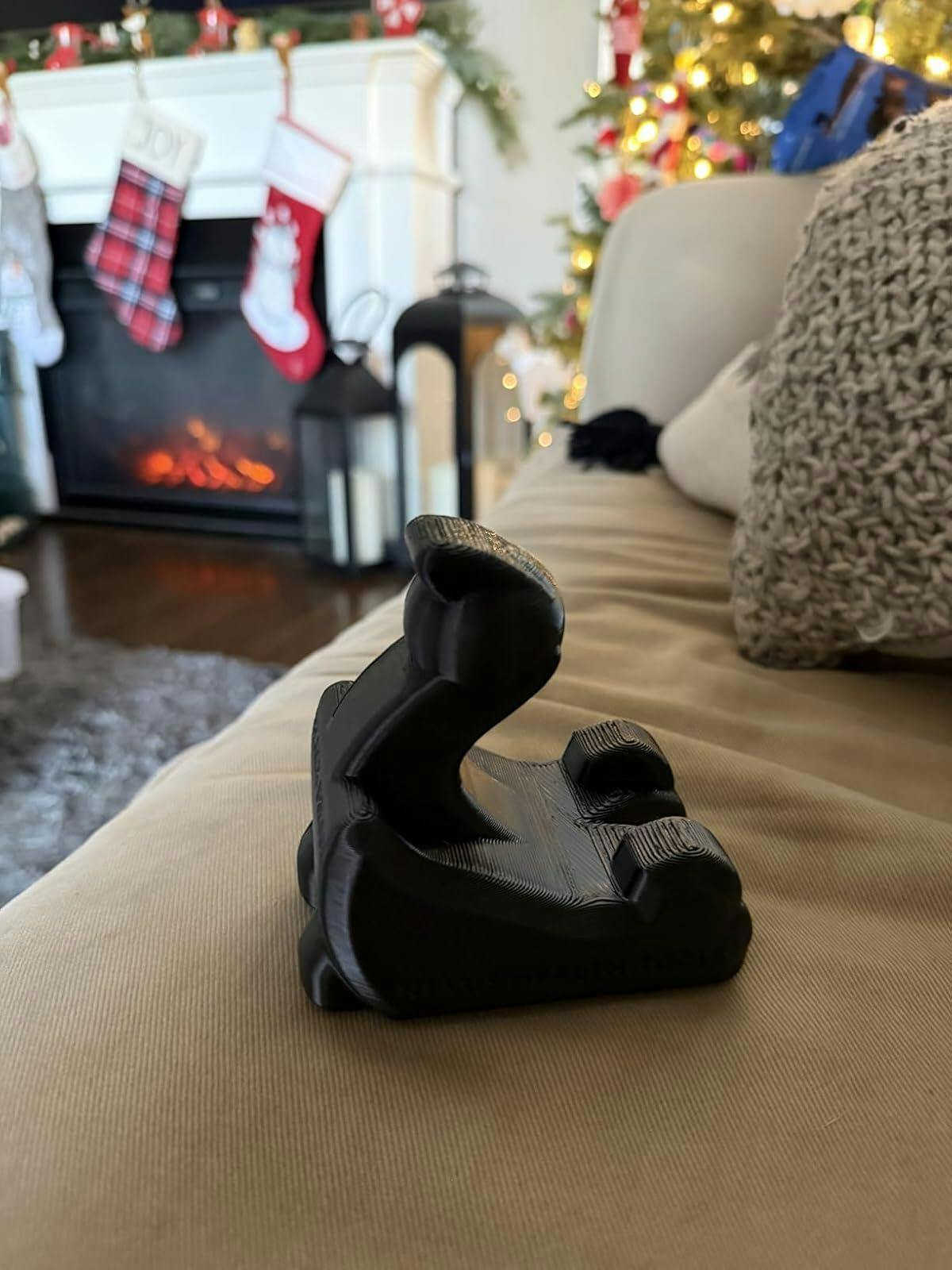
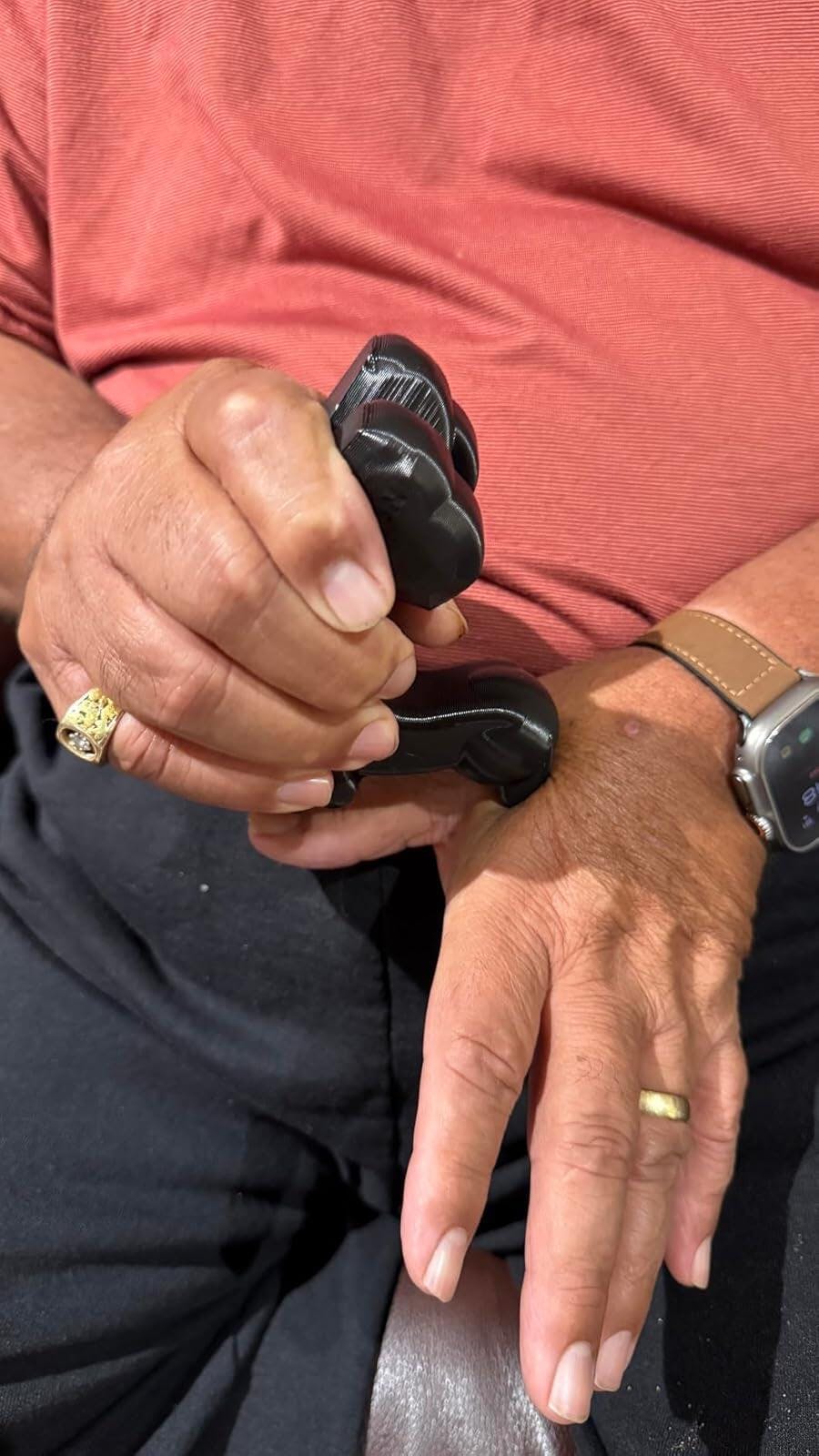
Specialized solutions—such as a deep tissue psoas tool or an iliacus muscle relief device—can facilitate iliopsoas muscle recovery by combining precision, leverage, and comfort. Nexus Health Tools’ Core Nexus is designed with this challenge in mind: its dual rotating tips include a broad head that can engage the psoas with smooth, progressive depth, and a narrow curved tip that reaches the iliacus along the inner pelvic rim. The compact, all-in-one design makes consistent self-care practical at home or between therapy visits, and the controlled rotation helps achieve deeper fascial penetration without brute force. For individuals managing chronic hip or low back discomfort linked to hip flexor tension, tools like the Core Nexus function not only as targeted release devices but also as practical pelvic alignment tools that can complement clinical care and daily mobility routines.
Anatomy of the Iliopsoas: Psoas and Iliacus Functions
The iliopsoas is a two‑muscle unit that powers hip flexion and helps stabilize the lumbar spine and pelvis. Psoas major originates from the sides of T12–L5 vertebral bodies and transverse processes, then courses anterior to the hip joint to insert on the lesser trochanter. Iliacus lines the iliac fossa, joining the psoas tendon at the same insertion. Together, they lift the thigh, control pelvic position during standing and gait, and provide segmental stability to the lower spine.
Because of its spinal attachments, the psoas influences lumbar lordosis. When it’s short or hypertonic, it can drive anterior pelvic tilt, compress the lumbar facets, and load the SI joints. The iliacus, wrapping along the inner surface of the pelvis, often develops trigger points that refer pain to the groin and front of the hip, limiting extension and stride length. Prolonged sitting, uphill running, and compensatory patterns after low back or hip injuries commonly sensitize these tissues.
Accessing each muscle requires different angles and pressure profiles:
- Psoas: Deep, vertical pressure just medial to the ASIS, directed posteriorly toward the spine. Slow sinking is essential to bypass the abdominal wall without guarding. This is where a broad, stable contact works best, functioning like a deep tissue psoas tool.
- Iliacus: Curved, lateral-to-medial pressure that tracks the inner rim of the iliac crest. A narrower contact can contour the fossa and isolate tender bands—an approach suited to an iliacus muscle relief device.
Precise self-release supports iliopsoas muscle recovery and more neutral pelvic mechanics. For example, desk workers with stiff hip flexors often regain hip extension and reduce back stiffness after consistent, low-load myofascial release for hips paired with glute activation. Runners may see smoother late-stance extension and less anterior hip pinch when iliacus trigger points are addressed.
A well-designed hip flexor release tool can match these anatomical demands. Nexus Health Tools’ Core Nexus provides a broad tip for deep psoas work and a narrow, curved tip that follows the iliac fossa, with smooth rotation to align with fiber direction. Used thoughtfully, it complements pelvic alignment tools and targeted strength work to relieve anterior tilt and restore efficient movement.
Design Philosophy: Rotating Tips vs. Fixed Pressure Points
How a hip flexor release tool delivers force shapes the kind of change you can get in the iliopsoas. Rotational designs apply pressure that can glide and angle progressively into tissue, while fixed-pressure designs rely on a static point that you sink into and hold.
Nexus Health Tools’ Core Nexus uses dual purpose-built rotating tips—a broad head for deep psoas work and a narrow curved head to access the iliacus under the pelvic rim. As you breathe and subtly pivot your torso or hip, the tip rolls instead of dragging skin, letting you increase depth and adjust the vector toward the spine or iliac fossa without losing the target. This rotary glide helps maintain contact while reducing guarding, which is valuable for myofascial release for hips near sensitive landmarks like the ASIS and inguinal ligament.
By contrast, Hip Hook emphasizes a fixed pressure point with a levered angle. You position the head beneath the pelvic crest, load it, and hold. It’s effective for focal trigger points—especially along the iliacus—but to trace across the muscle belly or transition to the deeper psoas, you typically need to reposition and re-angle. The static approach concentrates force, which some users prefer for short, intense holds, though it can require more bodyweight and careful placement to avoid bony contact.
Practical differences you’ll feel:
- Precision across fibers: Rotating tips can follow the iliacus along the inner pelvis, then pivot toward the psoas without lifting off. Fixed points excel at “find-and-hold” spots but are less fluid across a long muscle path.
- Comfort and control: Rolling contact reduces skin shear and allows incremental depth; static pressure may feel sharper initially and often needs timed holds (e.g., 60–90 seconds).
- Workflow for pelvic alignment tools: For anterior pelvic tilt patterns tied to psoas dominance, a rotating deep tissue psoas tool can alternate broad psoas sweeps with iliacus-specific angles in one session, supporting iliopsoas muscle recovery without constant resets.
If you want a single iliacus muscle relief device that adapts as you move, the Core Nexus from Nexus Health Tools embodies the rotational philosophy in a compact, all-in-one design. If you prefer pure pressure-and-hold, fixed tools like Hip Hook offer targeted spot release.
Precision and Accessibility: Targeting the Hard-to-Reach Iliacus
Reaching the iliacus requires precision. It sits on the inside of the pelvic bowl beneath the iliac crest, where broad tools and foam rollers can’t access. A hip flexor release tool must slide just medial to the ASIS and angle posteriorly to contact the muscle without jamming into bone or pinching sensitive tissue.
Hip Hook uses a single hooked head leveraged by a handle to angle pressure under the crest while you lie on a firm surface. It can reach the iliacus effectively when positioned correctly, but alignment is critical: the tip needs to track along the inner rim of the ilium, and small positional errors can cause discomfort on the ASIS or abdominal wall. Users who have difficulty getting to the floor, or who need to modulate pressure in tiny increments, may find setup and angle changes less accessible.
The Core Nexus from Nexus Health Tools approaches the same target with a different mechanics profile. Its narrow, curved tip is shaped to slip under the crest, and the smooth rotation lets the tip roll deeper with less skin shear. Because you can micro-adjust by rotating and changing wrist angle, it’s easier to “thread the needle” around bony landmarks. You can work supine, against a wall, or seated—useful for those managing flare-ups, limited mobility, or anterior pelvic tilt.
Practical distinctions that matter for iliacus access:
- Tip geometry: Narrow curved tip (Core Nexus) versus single hooked head (Hip Hook) influences how easily you clear the iliac crest.
- Force control: Rotational glide (Core Nexus) enables gradual depth; levered angle (Hip Hook) relies more on bodyweight and handle pressure.
- Body positioning: Multi-position use widens accessibility (Core Nexus); floor-based setup favors those comfortable lying supine (Hip Hook).
- Transitioning along the iliopsoas: Dual tips on Core Nexus let you switch from iliacus to psoas as a deep tissue psoas tool without changing devices.
Example for accuracy: Palpate the ASIS, move one to two finger-widths medial along the inner crest, then angle toward the sacrum. Apply gentle pressure and gradually increase as tissue softens—an approach that supports myofascial release for hips, iliacus muscle relief, and longer-term iliopsoas muscle recovery.
For chronic hip or SI joint discomfort, the Core Nexus by Nexus Health Tools offers precise, portable control among pelvic alignment tools, functioning as a versatile hip flexor release tool that meets users where they are.
Evaluating Portability and Durability for Daily Use
If you plan to use a hip flexor release tool every day—at home, at the office, or on the go—size, setup, and build quality matter as much as effectiveness.
Portability considerations
- Packability: The Core Nexus from Nexus Health Tools is a compact, all‑in‑one design that fits easily in a backpack or gym bag. Its dual rotating tips are integrated, so there are no loose parts to keep track of during travel. The Hip Hook, with its rigid, elongated frame and levered shape, is more awkward to pack; it’s better suited to staying in one place.
- Quick sessions: For two‑minute myofascial release for hips between meetings, the Core Nexus can be positioned quickly, then the broad tip or narrow curved tip rotated to the desired angle without repositioning your body. The Hip Hook typically requires more setup to establish leverage against the wall or floor, which can be less convenient in tight spaces.
- Discretion: Smooth, quiet rotation on the Core Nexus makes it easier to use in shared environments like a clinic room or office. The Hip Hook’s leverage-based approach may draw more attention and space.
Durability and maintenance
- Materials and wear: The Hip Hook’s metal frame feels robust for long‑term use. Any soft coverings or pads on leverage-based tools can show cosmetic wear over time with heavy pressure cycles. The Core Nexus emphasizes a solid, compact mechanism with purpose‑built rotating tips designed to withstand repeated deep tissue psoas work without wobble.
- Moving parts: With the Core Nexus, rotation is the function—not a stress point—so you’re not torquing a long arm or hinge. That can reduce strain on joints and maintain smooth action during iliopsoas muscle recovery.
- Cleaning: Both approaches benefit from wipe‑down surfaces. The Core Nexus’s minimal creases around the broad and narrow tips make post‑session cleaning straightforward.
Daily-use scenarios
- Commuters and travelers who need a reliable iliacus muscle relief device will appreciate the Core Nexus’s pocketable footprint and quick, precise setup.
- Home users with a dedicated space may prefer a larger tool like the Hip Hook if they don’t need to pack it often.
- For people working on pelvic alignment tools to address anterior pelvic tilt, consistent, convenient access usually wins—favoring a compact deep tissue psoas tool that you’ll actually use daily.
For a portable, durable option that supports frequent, targeted sessions, the Core Nexus—available from Nexus Health Tools—offers strong everyday practicality without sacrificing depth or control.
Clinical Applications for Anterior Pelvic Tilt Correction
Anterior pelvic tilt often presents with shortened iliopsoas, inhibited gluteals, and compensatory lumbar extension. In clinic, a hip flexor release tool is most effective when used inside a comprehensive plan that restores length, motor control, and load tolerance.
A practical sequence for anterior tilt:
- Assess: Posture (ASIS–PSIS angle), Thomas test for hip flexor length, prone hip extension, and pain provocation around the SI joint. Document hip extension ROM and lumbar shear symptoms to track change.
- Prepare: Diaphragmatic breathing with gentle posterior pelvic tilt to downregulate tone before myofascial release for hips.
- Release: Use a deep tissue psoas tool to apply sustained pressure (60–120 seconds) at 1–2 finger widths medial to the ASIS, just inferior to the iliac crest, avoiding the femoral pulse. For iliacus, angle medially along the iliac fossa. Progress depth only with relaxed breathing and no paresthesia.
- Reinforce: Immediately follow with glute bridge or hip thrust (emphasis on posterior pelvic tilt), half‑kneeling hip flexor eccentrics, and abdominal bracing (dead bug, plank variations) to “own” new range.
- Retest: Recheck Thomas test and active hip extension; look for reduced lumbar compensation during gait and squats.
- Dose: 2–3 trigger points per side, 1–2 minutes each, 3–5 days/week for 2–4 weeks, then taper to maintenance.
Tool-specific applications:
- Iliacus targeting: An iliacus muscle relief device with a curved profile can contour the iliac fossa without compressing the inguinal neurovascular bundle. The Core Nexus by Nexus Health Tools offers a narrow curved tip that reaches the iliacus effectively, plus smooth rotation to sink gradually as tissue softens.
- Psoas depth and tolerance: For larger frames or higher tone, a broad tip distributes force to improve comfort. Core Nexus includes a broader tip for psoas work and a compact form that travels easily between clinic and home programs, supporting iliopsoas muscle recovery.
- Comparative use case: The Hip Hook lever mechanism is helpful for anterior capsule and iliacus near the ASIS; Core Nexus adds dual, purpose-built tips and rotational control, which some clinicians prefer for progressive depth during deep hip flexor release.
Safety and contraindications:
- Avoid recent abdominal surgery, hernia, pregnancy (especially later trimesters), active GI disorders, uncontrolled hypertension, or anticoagulation without medical clearance.
- Stop if you feel numbness, throbbing, or sharp pain.
When combined with strengthening and gait retraining, these pelvic alignment tools can reduce anterior tilt, ease SI joint irritation, and improve standing tolerance.
User Experience: Adjustability and Ease of Self-Treatment
When self-treating the iliopsoas, small design choices make a big difference in comfort and control. Hip Hook relies on body weight and a lever to apply pressure, which many find effective on a firm floor but less convenient on a bed or against a wall. The Core Nexus from Nexus Health Tools was built for flexible positioning: its compact form factors well in supine, seated, or standing setups, so you can fit sessions into daily routines without hunting for floor space.
Adjustability is where a hip flexor release tool earns trust. Core Nexus uses two purpose-built rotating tips—a broad tip for deep psoas work and a narrow curved tip to trace the iliacus along the inner pelvic rim. The smooth rotation lets you dial in angle and depth gradually, matching tissue tolerance second by second. Hip Hook’s fixed-angle hook with lever provides strong pressure, though fine-tuning typically means repositioning your torso or adjusting how much you press the handle, which can feel binary to sensitive areas.
Concrete examples:
- Iliacus access: Switch Core Nexus to the narrow curved tip, rotate slightly toward the ASIS, and “feather” pressure as the muscle relaxes. With Hip Hook, you’ll often rotate your pelvis and modulate leverage to skim under the pelvic crest.
- Psoas depth: Use the broad Core Nexus tip to sink in progressively while exhaling; micro-rotations help bypass guarding. With Hip Hook, depth is primarily controlled by body weight plus lever force.
- Travel and quick resets: Core Nexus slips into a small bag, making myofascial release for hips practical between flights or after long drives. Hip Hook’s shape is bulkier to pack and typically requires floor setup.
For feedback and safety, rotational micro-movements on the Core Nexus give tactile cues as tissue yields, helping avoid overpressure—especially valuable for those addressing anterior pelvic tilt or SI joint sensitivities. Hip Hook delivers firm, targeted pressure once positioned, but may involve a steeper learning curve to maintain consistent angles during longer holds.
If you want an iliacus muscle relief device that adapts to changing tenderness day to day, Core Nexus functions as a deep tissue psoas tool and practical addition to pelvic alignment tools—all-in-one—supporting sustainable iliopsoas muscle recovery at home.
Conclusion: Determining the Most Effective Solution for Hip Health
Both devices can help unlock stubborn hip flexor tension, but the most effective hip flexor release tool for you depends on your goals, pain pattern, and how you like to apply pressure.
Choose based on needs:
- Target area: If your pain is primarily along the inside of the pelvic crest (classic iliacus tenderness), a device that can precisely access that line is key. If you also feel deep, central tightness beneath the navel or along the lumbar spine, prioritize a deep tissue psoas tool that can reach and modulate pressure at depth.
- Pressure control: Some people prefer static pressure; others benefit from gradual, rotational sinking that allows tissues to yield without bracing.
- Practicality: Portability and an all-in-one design matter if you travel or want fewer pieces in your routine.
- Sensitivity: If you’re reactive to aggressive pressure, choose a tool that allows micro-progressions and easy repositioning.
Examples:
- Desk worker with anterior pelvic tilt and a dull ache in the low back: A tool that covers both psoas and iliacus and supports smooth, graded depth can improve comfort and carryover into posture work.
- Runner with pinpoint tenderness just inside the ASIS: A device that cleanly accesses the iliacus under the pelvic rim can provide fast relief and help normalize stride.
- SI joint discomfort that flares with long sits: Gentle, short sessions on both iliacus and psoas combined with glute activation and breathwork can stabilize symptoms; precise pressure control is crucial.
For an integrated approach to myofascial release for hips, the Core Nexus by Nexus Health Tools combines a broad rotating tip for deep psoas work and a narrow curved tip for iliacus access in a compact, all-in-one format. The smooth rotation helps tissues accept depth gradually, which can be valuable for iliopsoas muscle recovery and for those addressing anterior pelvic tilt. If you prefer a single-function iliacus muscle relief device with a static application, a simpler hook-style tool may suffice; if you want one device that reliably handles both roles and travels well, Core Nexus offers that versatility.
Whichever you choose, pair releases with diaphragmatic breathing, hip extension drills, and glute strengthening—core elements of effective pelvic alignment tools. If you experience sharp pain, numbness, or have osteoporosis, consult a clinician before beginning.