Introduction to Hip Flexor Tension and Common Self-Massage Methods
Tightness in the hip flexors—especially the psoas and iliacus—often stems from long hours of sitting, repetitive flexion during running or cycling, and stress-driven bracing. These muscles connect the lumbar spine and pelvis to the femur, so when they’re short or overactive, they can tug the pelvis forward, limit hip extension, and contribute to chronic lower back pain relief challenges. People commonly report a deep ache in the front of the hip, pinching when lifting the leg, stiffness after standing up, or persistent tension near the SI joint.
Because the psoas and iliacus sit deep beneath the abdominal wall and along the pelvic brim, generic pressure isn’t enough. Effective myofascial release for hips requires precision—finding the right angle next to bony landmarks while avoiding sensitive neurovascular structures in the groin. Too much diffuse pressure can irritate tissues; too little, and you won’t reach the target.
Common self-massage methods include:
- Foam rollers: Useful for quads and superficial tissues but too broad to access the psoas or iliacus effectively.
- Lacrosse/tennis balls: Provide point pressure yet tend to roll off target, compress the abdomen, or press uncomfortably on the ASIS and rib cage.
- Massage guns: Great for global muscle warm-up, but percussive force often bounces off the abdomen and can feel jarring over the hip flexors.
- DIY tools and thumbs: Can help with surface tension; however, sustained, angled pressure to the iliacus is difficult to achieve consistently.
This gap is why many people turn to psoas muscle release tools designed specifically for hip flexor massage. Purpose-built designs enable controlled pressure, deliberate angulation, and stable contact, which are essential for safe iliacus muscle release and for addressing patterns tied to anterior pelvic tilt relief.
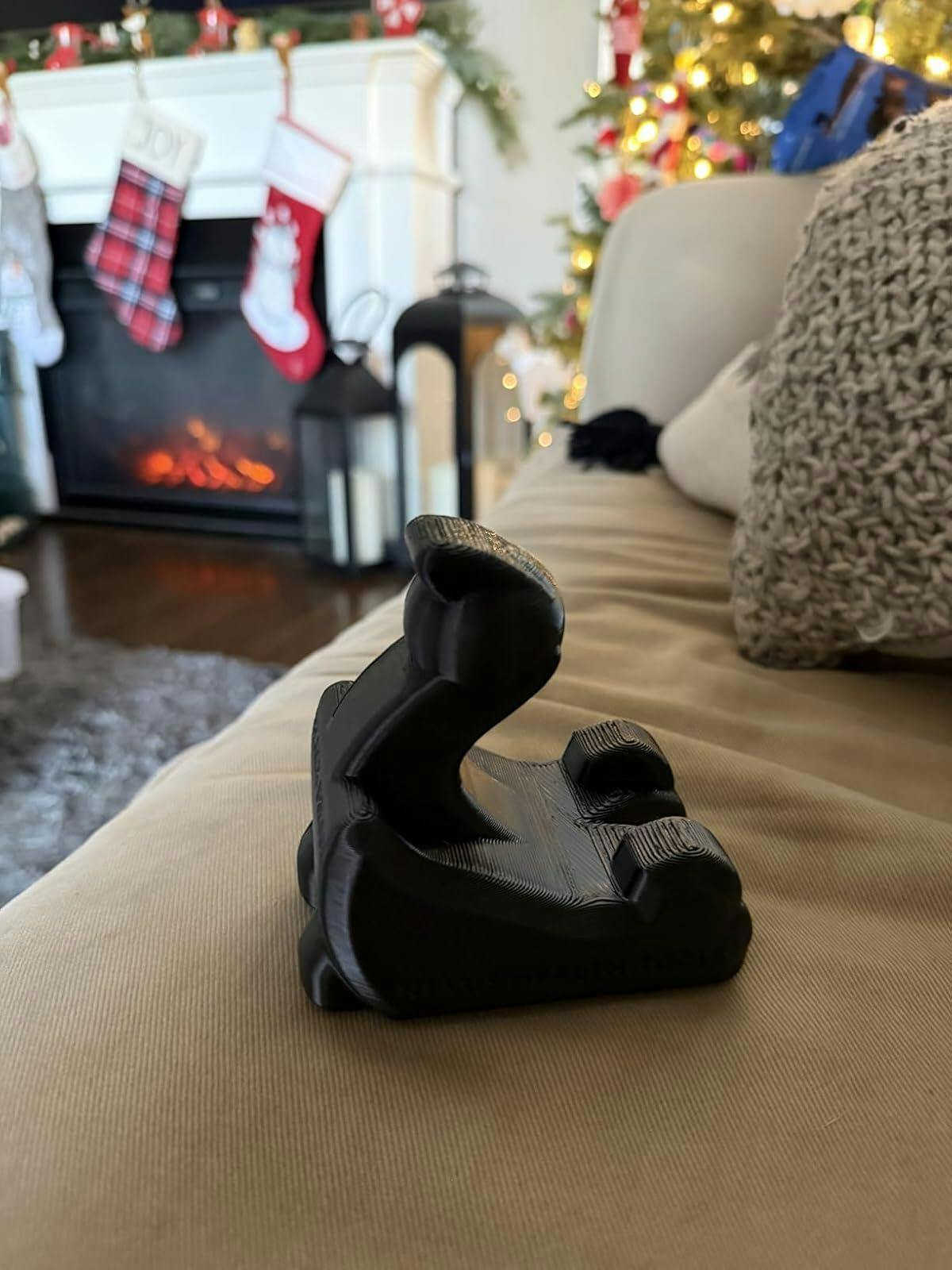
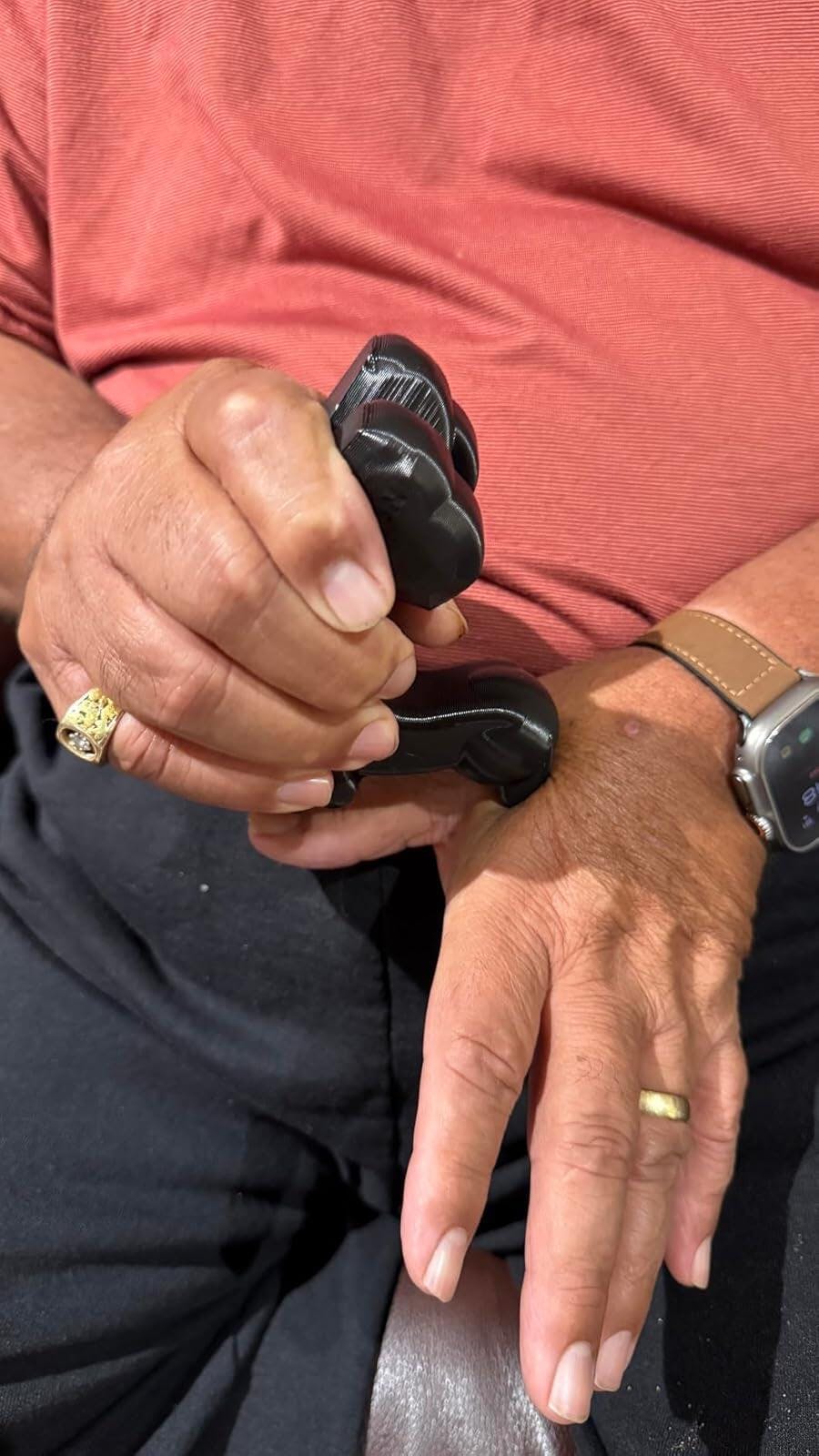
Nexus Health Tools’ Core Nexus is one example of this specialized approach. Its dual rotating tips—a broader head for deep psoas work and a narrow curved tip for iliacus access along the inner pelvic rim—allow you to ease into tissue, maintain alignment, and progress gradually without excessive abdominal compression. For individuals seeking more reliable, repeatable results at home, this kind of targeted tool can bridge the gap between general self-care and professional-grade hip flexor treatment.
The Anatomy of the Psoas and Iliacus Muscles
The iliopsoas is a two‑muscle complex that powerfully flexes the hip and stabilizes the lumbar spine. Understanding its anatomy explains why targeted psoas muscle release tools can outperform generic hip flexor massage.
- Psoas major: Originates from the lateral bodies, intervertebral discs, and transverse processes of T12–L5, traveling anterior to the hip joint and inserting on the lesser trochanter of the femur via a common tendon. Innervation: L1–L3 (often L2–L4).
- Iliacus: A broad, fan‑shaped muscle lining the iliac fossa and joining the psoas tendon to insert on the lesser trochanter. Innervation: femoral nerve (L2–L3).
- Relationships: The femoral nerve, artery, and vein run anterior to the iliopsoas beneath the inguinal ligament; the psoas fascia connects with the diaphragm’s crura; the quadratus lumborum lies posterior‑lateral to the psoas.
Functionally, the iliopsoas flexes the hip and assists with trunk flexion. When overactive or shortened, it can increase lumbar lordosis and contribute to anterior pelvic tilt—common drivers of chronic lower back pain relief strategies. Unilateral tightness can anteriorly rotate one hemipelvis, stressing the SI joint. The deep psoas belly tends to harbor taut bands near L3–L4, while the iliacus often develops trigger points along the inner pelvic brim.
Access matters. The psoas sits deep beneath abdominal viscera; effective myofascial release for hips requires slow, posterior‑medial sinking just lateral to the rectus abdominis, not broad surface pressure. The iliacus is shallower but spread across the iliac fossa; it responds best to a contoured approach that follows the pelvic rim while avoiding the femoral neurovascular bundle in the femoral triangle.
These anatomical nuances explain why different interfaces are needed: a wider, rounded surface to compress the deeper, cord‑like psoas without poking, and a narrow, curved tip to trace the iliacus along the iliac fossa for precise iliacus muscle release. Specialized solutions like Nexus Health Tools’ Core Nexus reflect this differentiation with dual rotating tips that match each muscle’s shape, enabling controlled depth and angle under the inguinal ligament. For users seeking anterior pelvic tilt relief and more consistent outcomes than a general ball can provide, such design specifics can make hip flexor massage safer and more effective.
Limitations of Standard Massage Balls for Deep Tissue Access
Massage balls can be effective for broad tissue work, but the psoas and iliacus are not easy-to-reach targets. The psoas lies deep beneath the abdominal wall, and the iliacus lines the inside of the iliac fossa, tucked behind the ASIS (front hip bone). This depth and the nearby femoral nerve and artery demand precise angles, controlled force, and a shape that can follow complex contours—not traits most spheres provide.
Common limitations you’ll encounter with a ball:
- Limited precision near bony landmarks: Balls tend to skate off the ASIS and slide onto the TFL or rectus femoris, missing the iliacus entirely.
- Poor access angle: Effective psoas work often requires a posterior–medial vector. A ball on the floor creates mostly vertical compression into the abdomen, increasing visceral discomfort without reaching the target.
- Shape mismatch: Small, hard balls feel sharp and trigger guarding; larger balls diffuse pressure too broadly. Neither can “hook” under the iliac crest for iliacus muscle release.
- Inefficient mechanics: Rolling creates shear and superficial friction; deep hip flexor massage responds better to slow sinking pressure with micro-rotations, which a ball can’t provide.
- Stability and control issues: Balls slip on clothing or skin, making it hard to maintain a consistent dose, breathe, and modulate pressure—key for myofascial release for hips and sensitive users seeking chronic lower back pain relief.
- Safety blind spots: Without a way to steer around neurovascular structures, users unknowingly press in the wrong areas, leading to discomfort and aborted sessions.
The result is a lot of abdominal tenderness with little change in hip flexor tone. For example, someone targeting anterior pelvic tilt relief may spend minutes on a lacrosse ball yet only irritate superficial tissues, leaving deep hip stiffness and SI joint discomfort unchanged.
Specialized psoas muscle release tools address these gaps. Nexus Health Tools’ Core Nexus uses dual purpose-built rotating tips: a broad tip for deep psoas release and a narrow curved tip that can reach under the ASIS to trace the iliac fossa for targeted iliacus muscle release. Smooth rotation enables sinking pressure with gentle rotation instead of shear, and the compact form supports precise angling in supine or side-lying positions. For consistent hip flexor massage and better adherence over time, this design offers more controlled access and comfort than a ball, supporting the path toward meaningful chronic lower back pain relief.
Precision Targeting: How Specialized Tips Enhance Muscle Penetration
Deep hip flexors sit under layers of abdominal wall, fascia, and neurovascular structures. That depth and orientation mean angle, contact shape, and pressure control matter more than force. Spherical massage balls spread pressure unpredictably and tend to roll off the iliac fossa, making it hard to differentiate the psoas from the iliacus. Precision-designed tips solve this by matching the anatomy.
A broad, domed tip distributes load across a slightly larger surface, allowing slower creep into the psoas without sharp guarding. That wider contact stabilizes the abdominal wall so pressure transfers to the muscle belly rather than skin and viscera. In contrast, a narrow, curved tip can track along the inner surface of the iliac crest to reach the iliacus, which lies flat against the iliac fossa and responds better to contour-fitting compression.
Design details that enhance penetration and tissue specificity:
- Geometry: A curved narrow tip nests along the iliac fossa, helping separate iliacus from the overlying abdominal tissues for targeted iliacus muscle release.
- Pressure density: Smaller area increases local pressure for stubborn trigger points; broader area aids graded desensitization of the psoas.
- Rotation: Smooth, controlled rotation introduces micro-shearing and fiber-following oscillation, which can reduce guarding and allow deeper access than static compression.
- Angle control: Purpose-built handles and dual-tip layouts let you adjust vector toward the muscle fibers (inferomedial for psoas, superolateral sweep for iliacus) instead of compressing straight down.
Practical examples:
- Psoas: Supine, knees bent. Place a broad tip just medial to the ASIS, slightly inferior. Apply gentle pressure, then add slow rotation while breathing diaphragmatically. This often improves hip extension mechanics relevant to anterior pelvic tilt relief.
- Iliacus: From the ASIS, slide a narrow curved tip along the inner crest toward the iliac fossa. Use light rotational pulses to engage flat fibers without sliding over the skin—useful during hip flexor massage aimed at myofascial release for hips and potential chronic lower back pain relief.
Nexus Health Tools’ Core Nexus integrates both approaches in one device: dual purpose-built rotating tips (broad for deep psoas work, narrow curved for the iliacus) in a compact, portable design. Among psoas muscle release tools, this configuration helps you switch structures seamlessly and maintain precise angles—key for safe, effective results around the hip flexors and SI region.
Addressing Anterior Pelvic Tilt Through Targeted Release
Anterior pelvic tilt often stems from short, overactive hip flexors pulling the pelvis forward and the lumbar spine into extension. The deep psoas and iliacus are frequent culprits; when they’re guarded, the body compensates with tightness in the hip crease and extensors, contributing to SI joint irritation and persistent lumbar tension. Targeted myofascial release for hips—specifically iliacus muscle release combined with precise psoas work—can help restore neutral alignment and support chronic lower back pain relief.
This is where purpose-built psoas muscle release tools outperform a general massage ball. The iliacus sits along the inner surface of the pelvis, tucked behind the ASIS, while the psoas lies deeper and more central. Access angles and tip geometry matter. Nexus Health Tools’ Core Nexus uses dual, rotating tips—a curved narrow tip for iliacus access and a broader tip for deeper psoas pressure—allowing graded, smooth rotation that reduces guarding and supports anterior pelvic tilt relief.
Try this focused sequence:
- Set up: Lie supine with knees bent. Breathe slowly through the nose, expanding the lower ribs on inhale and softening the belly on exhale.
- Iliacus first: Using a narrow, curved tip (Core Nexus), contact just inside the front hip bone (ASIS), staying lateral to the midline. Angle gently toward the inner pelvis. Hold light pressure, rotate slowly, and take 3–5 long breaths. Spend 60–90 seconds, then shift 1–2 cm to find adjacent tender bands.
- Psoas next: With a broad tip, work 2–3 finger-widths lateral to the navel. On exhale, sink and micro-rotate toward the spine without chasing sharp pain or a pulsation. 60–90 seconds per point.
- Hip flexor massage: Sweep along the front hip crease to disperse residual tension and improve glide before standing.
- Reinforce: Perform posterior pelvic tilts or glute bridges (6–8 reps) and a gentle core brace to “teach” the new position.
- Frequency: 3–4 sessions per week, reassessing standing posture, stride comfort, and ease in the low back.
Safety notes: Skip deep abdominal work if you’re pregnant or have recent abdominal surgery, hernia, or vascular conditions. Avoid intense pressure over any pulse, and stop if you feel sharp pain, numbness, or dizziness. For personalized guidance, consult a clinician.
Used thoughtfully, targeted hip flexor massage with specialized tools like the Core Nexus from Nexus Health Tools can help you address the root contributors to anterior pelvic tilt, rather than just chasing symptoms.
The Importance of Tool Portability and Design for Consistent Recovery
Consistency is often the difference between temporary relief and lasting change. For deep structures like the psoas and iliacus, that consistency hinges on two factors: how easily you can use the tool day after day, and whether its geometry truly fits the anatomy. Portable, purpose-built psoas muscle release tools lower the barrier to regular sessions, while precise design ensures you’re targeting the right tissue rather than compressing everything around it.
Spherical implements tend to disperse pressure and roll off bony landmarks, which makes them unreliable for iliacus access along the inner pelvis and awkward for abdominal work near the psoas. They also push you into positions that can aggravate sensitive lower backs. In contrast, tools engineered specifically for hip flexor massage allow controlled angles, smaller contact areas, and gradual depth—key for safe, effective myofascial release for hips.
Portability isn’t just about weight; it’s about how a tool fits into your day. A compact, all-in-one device lives in a desk drawer, gym bag, or carry-on, so you can perform two- to three-minute sessions before long sits, after training, or post-flight—exactly when tightness builds.
Consider a simple example:
- Morning: one minute per side of gentle pressure and slow breathing before your commute.
- Midday: quick iliacus muscle release after a long meeting to restore hip extension for walking.
- Evening: brief psoas work after running or lifting to ease tension that contributes to anterior pelvic tilt relief strategies.
Design details matter. Dual, purpose-built tips let you match the interface to the tissue: a broader surface for deeper psoas work without sharp discomfort, and a narrower curved profile to nestle along the iliacus. Smooth rotation allows you to sink gradually while maintaining tolerance, rather than forcing depth abruptly. This control helps promote relaxation—essential for people seeking chronic lower back pain relief linked to overactive hip flexors.
Nexus Health Tools’ Core Nexus integrates these elements in a compact form: a broad tip for deeper psoas release, a narrow curved tip for targeted iliacus access, and a smooth, rotating action that encourages calm, progressive work. Its portable, all-in-one design makes consistent practice far more realistic, turning sporadic sessions into a sustainable routine.
Safety and Efficiency: Professional-Grade Tools vs. DIY Solutions
Deep hip flexors sit close to sensitive structures. The psoas runs from the lumbar spine to the inner thigh, and the iliacus tucks under the ASIS. Between them lie the femoral triangle and the lateral femoral cutaneous nerve. That’s why safety and efficiency hinge on using psoas muscle release tools designed for precision rather than improvised items like lacrosse or massage balls.
DIY solutions are blunt and unstable. A ball rolls, widens pressure unpredictably, and often forces you to brace your abdomen. Place it slightly too lateral near the ASIS and you can irritate the lateral femoral cutaneous nerve; too inferior and you risk compressing femoral neurovascular tissues. Over-compression can trigger guarding, bruising, and flare-ups that stall chronic lower back pain relief instead of helping it.
Professional-grade tools improve both control and outcomes:
- Targeted contact geometry that fits the iliacus under the ASIS without dumping force into the groin.
- Directional pressure you can angle posteromedially along the psoas instead of straight down into abdominal contents.
- Dose control via tip size and leverage, so you can modulate force and time.
- Tissue shear through smooth rotation, creating myofascial release for hips with less compressive load.
- Stable, reproducible positioning for consistent sessions and measurable progress.
A practical example is Nexus Health Tools’ Core Nexus. Its dual rotating tips serve two distinct jobs: a broader tip distributes load for deeper psoas work with less discomfort, while the narrow curved tip reaches the iliacus where a ball can’t, gliding under the ASIS with precise angulation. The smooth rotation facilitates hip flexor massage by engaging fascial layers rather than just pinning them, and the compact design lets you set up at home or travel without losing consistency. For many users, that combination supports iliacus muscle release and can contribute to anterior pelvic tilt relief when paired with appropriate mobility and strengthening.
Efficiency means shorter sessions, less guesswork, and fewer setbacks:
- Faster lock-in to the right line of pull.
- Micro-adjustments without losing the target.
- Repeatable routines that build tolerance and tissue change over time.
When the goal is safe, effective work on deep hip flexors, specialized tools offer the precision DIY methods simply can’t match.
Conclusion: Choosing the Right Equipment for Long-Term Hip Health
If you want lasting change in hip mechanics, choose psoas muscle release tools that match the anatomy you’re targeting. The psoas and iliacus sit deep, under sensitive neurovascular structures; random pressure from a round massage ball often slides off, compresses the abdomen, or irritates tissue without reaching the fibers that matter.
Prioritize tools that improve precision, pressure control, and safety. Look for:
- Purpose-built tip geometry: a broad surface for deep psoas contact and a narrow, curved tip to trace the iliacus along the pelvic brim.
- Smooth rotation instead of brute-force compression, allowing gradual penetration and tissue winding without shearing skin.
- Compact, stable design so you can set angles consistently, especially near the inguinal crease where small adjustments matter.
- Clear tactile feedback and easy scaling of pressure to avoid guarding or nerve/artery irritation.
- Durable, cleanable materials suitable for frequent use.
A practical plan matters as much as the tool. For desk workers with anterior pelvic tilt and hip flexor tightness, try short sessions (60–120 seconds per point) of myofascial release for hips, paired with diaphragmatic breathing and post-release glute activation (bridges, split-stance holds). Track changes in hip extension (e.g., lunge depth without lumbar sway) and morning stiffness to gauge progress in chronic lower back pain relief.
Specialized options like the Core Nexus from Nexus Health Tools were built for this job. Its dual rotating tips—broad for deep psoas release and a narrow curved tip for iliacus muscle release—let you angle precisely along pelvic contours. The smooth rotation helps you sink gradually, and the compact all-in-one form factor makes consistent sessions easier at home or on the road. Many users find this combination supports anterior pelvic tilt relief when paired with mobility and strengthening.
Use common-sense safeguards during hip flexor massage: avoid strong pulsations (move laterally if you feel a pulse), stop with sharp or radiating pain, and consult a clinician if symptoms persist or include numbness or unexplained weakness.
Bottom line: general massage balls are fine for surface tissue, but when your goal is targeted psoas and iliacus work, dedicated psoas muscle release tools deliver the control and specificity needed for long-term hip health.